What are English Cottage Style Windows?
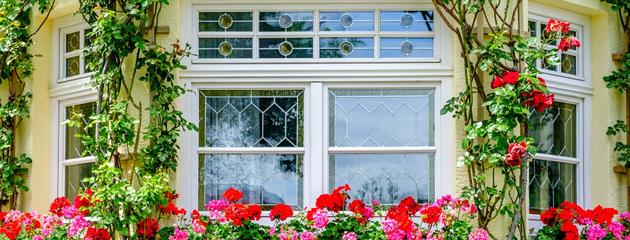

What Are English Cottage-Style Windows?
English cottage-style windows are gaining popularity in Canada as homeowners seek to bring classic heritage charm into modern, energy-efficient homes. These windows are defined by balanced sash proportions, distinctive grille patterns, and a handcrafted aesthetic that immediately sets them apart from standard contemporary designs.
Here’s what homeowners should know upfront:
- English cottage-style windows typically feature a smaller upper sash and a larger lower sash, creating the iconic 40/60 ratio.
- Grilles are essential, with four-over-one, six-over-one, and multi-light patterns shaping the traditional cottage look.
- Both sash and casement formats are historically accurate, depending on the region — from Cotswold casements to Yorkshire sliding sashes.
- Modern Canadian versions replicate the classic proportions, using vinyl, fibreglass, or aluminum-clad frames for improved insulation and durability.
- These windows work beautifully in cottages, heritage restorations, rural homes, and suburban builds seeking a warm, character-rich appearance.
In this updated guide, we explain what defines an English cottage window today, how the styles differ by region, how modern Canadian manufacturers replicate the look using energy-efficient materials, and how to choose the right design for your home.
Key Takeaways
- English cottage-style windows are defined by smaller upper sashes, grilles, and traditional proportions, typically seen in sliding sash and casement formats.
- Modern Canadian versions maintain the cottage look using vinyl, fibreglass, or aluminum-clad frames while offering better insulation and DraftLOCK-style performance upgrades.
- Traditional English variations — including Cotswold, West Country, and Yorkshire styles — each use distinct grille layouts and colour palettes that can be replicated in today’s custom builds.
- These windows are chosen for their classic aesthetic appeal, balanced proportions, and the ability to bring in generous natural light without losing their historical charm.
- Grilles remain essential, with four-over-one, six-over-one, and eight-light patterns being the most iconic cottage designs.
What Defines Cottage-Style Windows?

1. Traditional Sliding Sash Windows (Double-Hung)
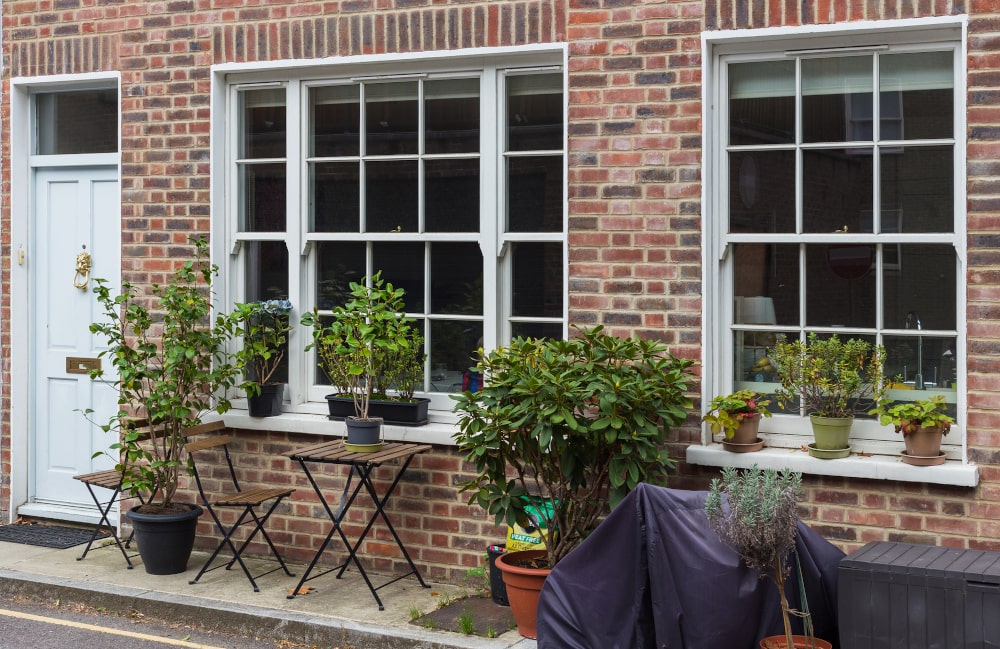
Historically, sliding sash windows were handcrafted timber units with weighted pulley systems. Modern versions now use vinyl or fibreglass frames with low-maintenance balances that provide smoother operation and better tightness.
Sliding sash windows feature:
- Two independent movable sashes
- Vertical sliding motion
- A smaller upper sash and larger lower sash (usually a 40/60 ratio)
- Optional heritage grilles
These remain a favourite for achieving an authentic cottage façade.
2. Casement Cottage Windows
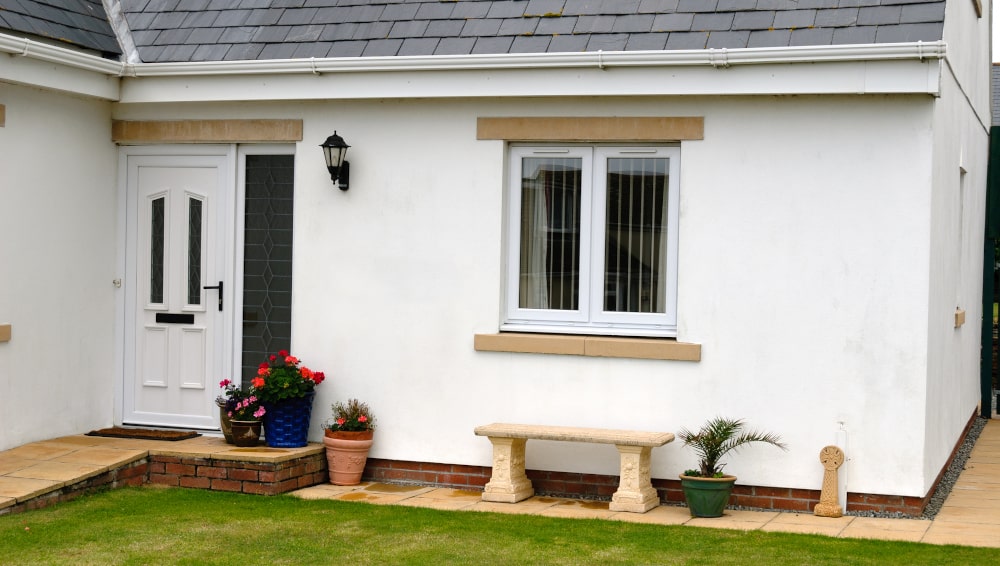
While traditional English casement windows were timber-framed and single-glazed, contemporary Canadian versions often use energy-efficient triple glazing, multi-point locks, and insulated frames to withstand harsh climates.
Casement windows open outwards and commonly feature:
- Side hinges
- One or two window panels
- Decorative grilles
- Simple rectangular proportions
They are especially dominant in Cotswold and West Country cottage designs.
3. The 40/60 Size Ratio
Traditional cottage windows often use a 40% upper sash / 60% lower sash layout, creating a distinctive look while preserving natural light and outward visibility.
Typical Cottage Sash Proportions
| Feature | Upper Sash | Lower Sash |
|---|---|---|
| Percentage | ~40% | ~60% |
| Light Level | Diffused light | Primary light + full view |
| Grilles | Always included | Optional |
| Purpose | Aesthetic balance | Functional ventilation + visibility |
4. Grilles: A Must-Have Feature
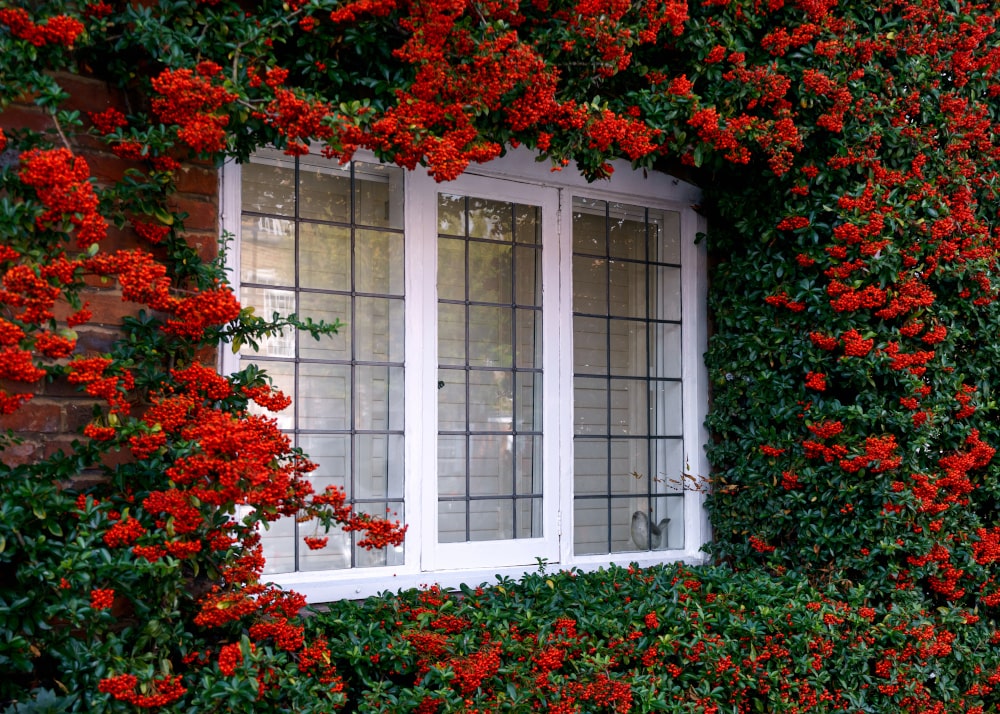
Grilles (also known as muntins) create the classic multi-pane appearance typical of English cottages.
Common cottage patterns:
| Grille Pattern | Description | Traditional Use |
|---|---|---|
| 4-over-1 | Four panes on top, clear bottom | Simple Kent cottages |
| 6-over-1 | Six panes on top, clear bottom | West Country, Cotswolds |
| 8-light pattern | Eight small divisions per sash | Yorkshire cottages |
Modern Canadian manufacturers replicate these using internal, external, or simulated true divided lites (SDLs) for an authentic look without compromising energy efficiency.
Classic Aesthetics of Cottage Windows
Cottage-style windows create a soft, timeless appearance built around:
- Balanced sash proportions
- Warm wood-look finishes
- Grilles that add architectural detail
- Paint or frame colours matched to exterior stone, timber, or masonry.
Even in modern vinyl, wood-grain lamination (e.g., English Chestnut, White Oak, Sandstone) helps homeowners achieve a heritage look with minimal maintenance.
“Most homeowners choose cottage-style windows because they want character without giving up performance. The grille patterns, colour choices, and sash ratios allow for a custom look while still meeting today’s energy-efficiency standards.” — Helen Sin, Consumer Success Manager
English Cottage Style by Region
1. Cotswolds Cottages
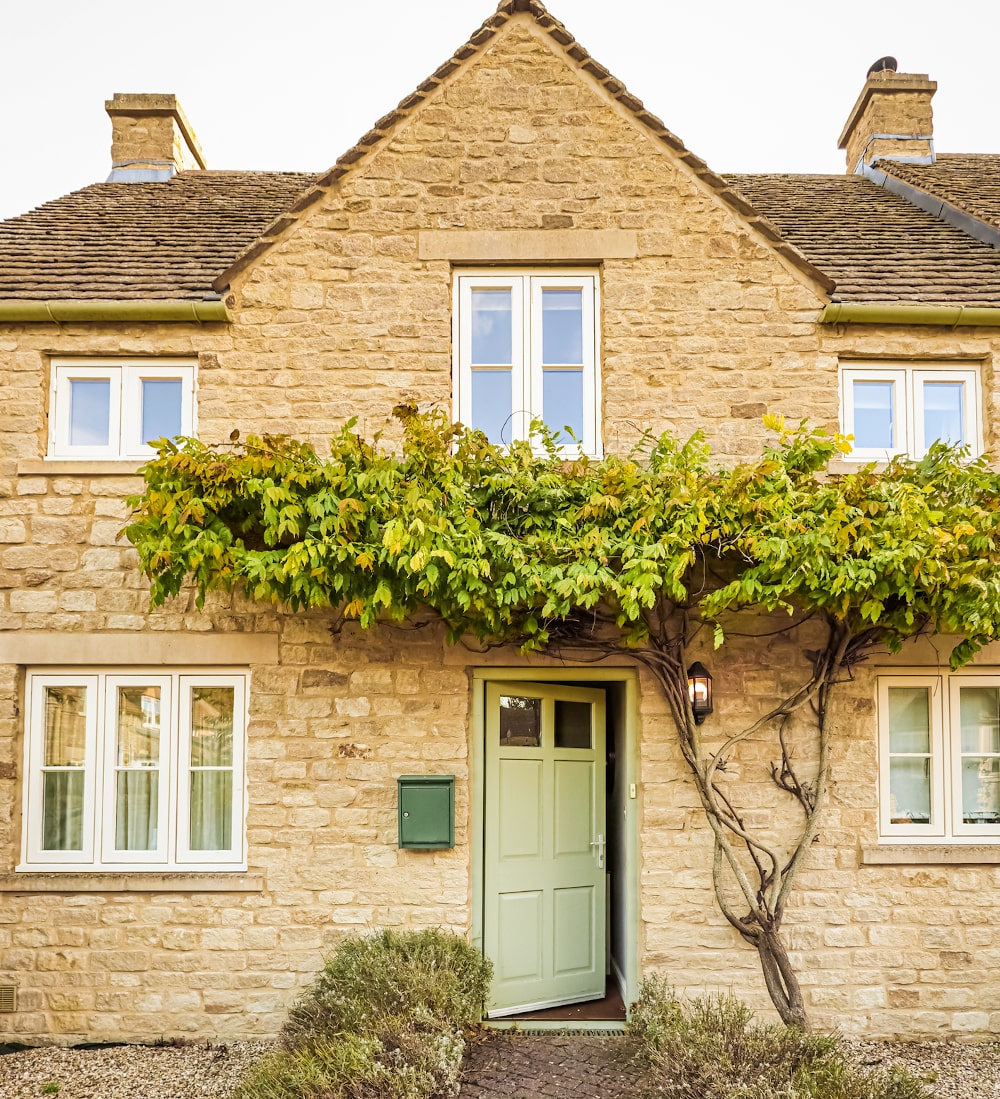
Known for their honey-coloured limestone and thatched or clay roofs, Cotswold cottages often use:
- Casement windows
- Soft pastel frame colours
- Four or six-section grille layouts
- Small-pane glass proportions
Modern interpretation: Ideal for stone-clad Canadian cottages or heritage-inspired suburban builds.
2. West Country Cottages
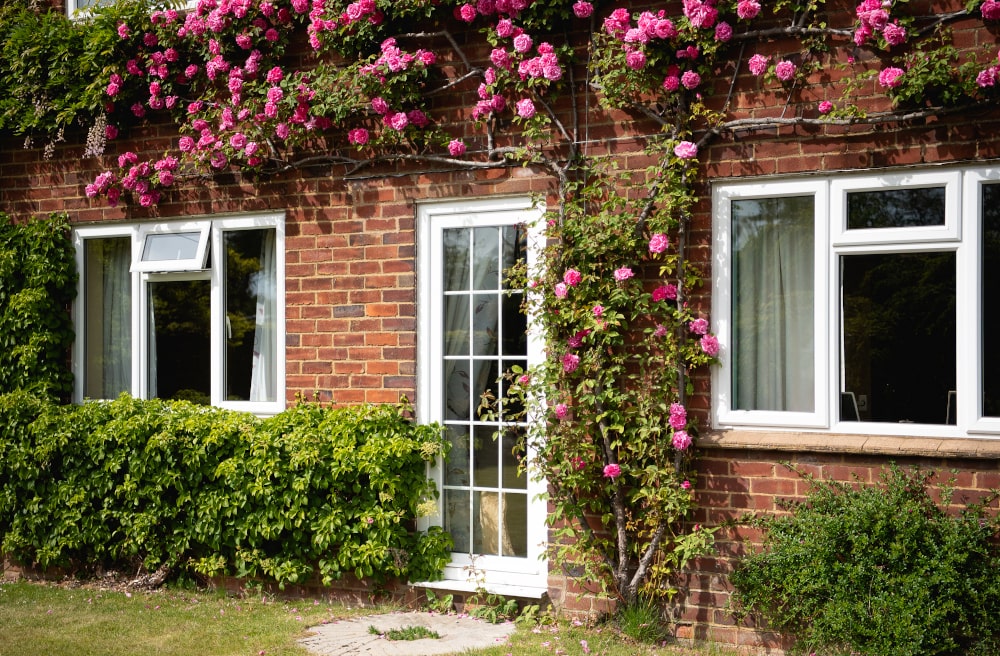
The West Country features:
- Whitewashed stone buildings
- Blue or soft-colour window frames
- Casement operation
- Six-light grille patterns
These windows create a cheerful, bright cottage aesthetic.
3. Yorkshire Cottages
Yorkshire cottages tend to use:
- Sliding sash windows
- Stronger grille patterns (often 8-light designs)
- Stone exteriors paired with contrasting frames
This design is ideal for homeowners seeking a classic English country house style.
Modern vs. Traditional Cottage Windows
| Feature | Traditional English Cottage Windows | Modern Canadian Cottage-Style Windows |
|---|---|---|
| Frame Material | Timber | Vinyl, fibreglass, aluminum-clad |
| Energy Efficiency | Low by current standards | High (triple-pane options, low-E coatings) |
| Operation | Sash or casement | Same, with upgraded hardware |
| Maintenance | Frequent scraping/painting | Low-maintenance finishes |
| Weather Performance | Mild climate suited | Engineered for Canadian winters |
| Grilles | True divided lights | SDL, external, or internal grilles |
| Colour Choices | Limited | Broad palette including custom matching |
Are Cottage-Style Windows Suitable for Modern Canadian Homes?
There is something unmistakably warm and inviting about English cottage architecture. Even from a distance — whether you’re approaching from a garden path or catching a glimpse from the roadside — you can feel its charm before you ever reach the front door. The gentle rooflines, hand-crafted masonry, and soft, weathered textures all work together to create a sense of comfort and familiarity. But nothing defines the character of an English cottage quite as much as its windows.
Cottage-style windows aren’t merely openings cut into a wall — they are the soul of the façade.
They frame the sunlight, shape the home’s personality, and create that storybook look that feels both historic and wonderfully lived-in. Their proportions, materials, and decorative details tell the story of centuries of craftsmanship, where function and beauty were inseparable.
Today, as more Canadian homeowners seek timeless design with modern performance, English cottage-style windows are experiencing a resurgence. They bring warmth to suburban homes, authenticity to renovated farmhouses, and charm to lakeside cottages — all while integrating the insulation and durability needed for harsh Canadian winters.
So what exactly gives these windows their iconic look? Why do they feel so different from other traditional styles? And how can modern materials replicate the artisanal character of England’s historic cottages without sacrificing energy efficiency?
“The charm of English cottage windows lies in their proportions and detail. When we recreate these designs with modern Canadian manufacturing, homeowners get the same timeless look — but with far better insulation and long-term reliability.” — Tony Wong, Project Manager
Choosing the Right Cottage-Style Window
English cottage-style windows add warmth, character, and a touch of heritage charm to any home. Whether you prefer the simplicity of Kent, the rustic appeal of the Cotswolds, or the traditional Yorkshire look, modern Canadian window technology enables you to bring these classic styles into the present.

1000’s of Colours & Textured Finishes
Transform your home from ordinary to extraordinary with our new coloured and non-glare textured finishes. Available in a wide array of colours as well as custom matched colours for your very own personalized design.
Our Most Popular Replacement Window Colours: